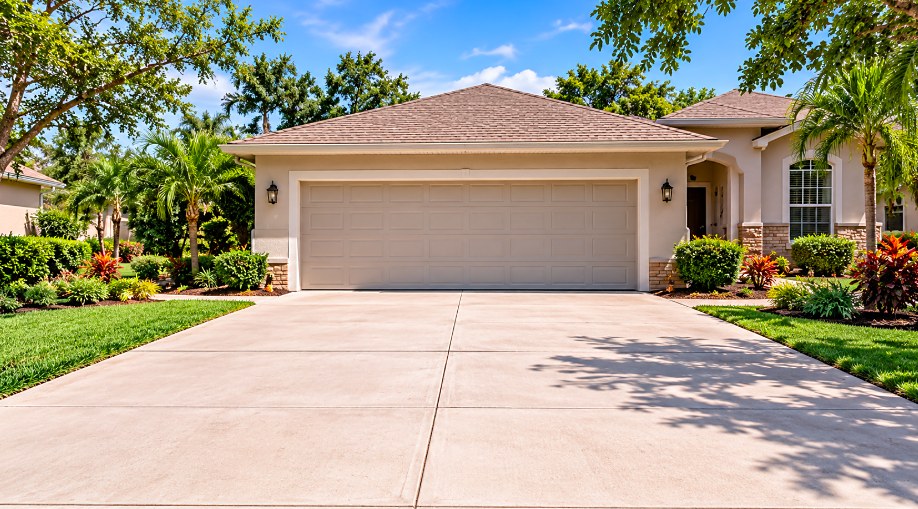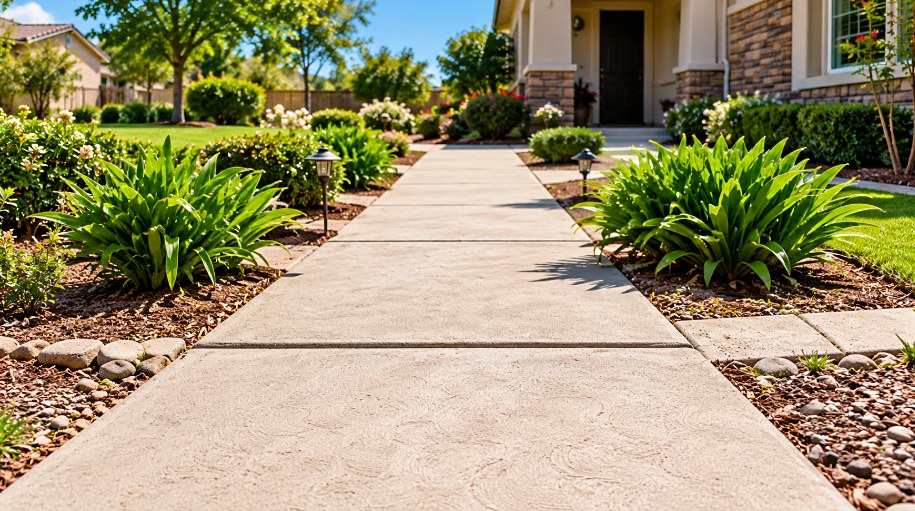
Concrete Leveling for Parking and Access Areas
Parking and access surfaces experience repeated loading from vehicles, delivery traffic, carts, pedestrians, and maintenance equipment.
When concrete sections begin settling, the result may include uneven driving surfaces, standing water, difficult transitions, and raised joints.
Parking and access area leveling focuses on restoring low concrete slabs without automatically replacing large sections of pavement.
This service can be used in residential, commercial, multi-family, industrial, and institutional properties.
Areas We Can Evaluate
Concrete settlement may occur in:
- Parking spaces
- Small parking lots
- Loading areas
- Drive lanes
- Dumpster approaches
- Delivery zones
- Service entrances
- Private access roads
- ADA access routes
- Building approaches
- Gated entrances
- Equipment pads
Each area has different load and drainage requirements.
Why Parking Concrete Settles
Parking slabs are heavy and regularly exposed to vehicle loads.
The concrete relies on the base beneath it to distribute that weight.
Settlement can occur due to:
- Poor base compaction
- Washed-out soil
- Leaking water lines
- Damaged drainage
- Stormwater runoff
- Utility trench settlement
- Repeated heavy loads
- Soil shrinkage
- Underground voids
In commercial areas, settlement frequently occurs near drains, utility cuts, or locations where water repeatedly enters joints.
Improving Vehicle Transitions
A settled slab may create an abrupt drop between neighboring sections.
Drivers may feel a bump when crossing the joint, and low-clearance vehicles may be more affected.
Leveling the lower slab can improve the transition without adding a surface patch that may later break away.
Parking Area Drainage
Large concrete surfaces depend on carefully planned drainage.
Even a modest change in elevation can redirect water.
Low sections may create puddles that collect sediment and debris.
During leveling, we consider the relationship between the affected slab and:
- Catch basins
- Trench drains
- Curbs
- Gutters
- Building entrances
- Adjacent asphalt
- Landscaped areas
The objective is to improve the slab position while maintaining proper stormwater flow.
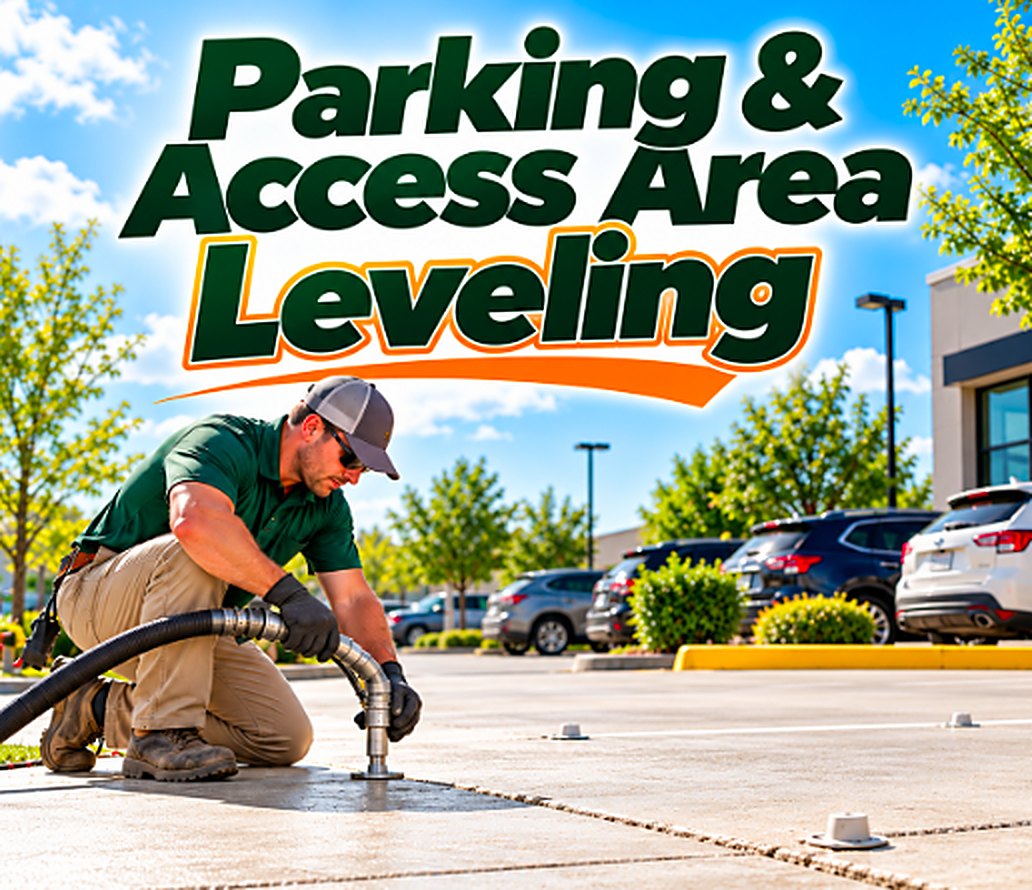
Leveling Around Catch Basins and Drains
Settlement frequently develops around drainage structures.
These fixed structures normally cannot move with the slab, so surrounding concrete may become lower or higher relative to the drain.
Careful lifting can sometimes restore a better approach toward the drainage point.
Access Route Leveling
Pedestrian routes passing through parking areas must provide comfortable transitions.
A settled section may affect walkways connecting:
- Parking stalls
- Ramps
- Entrances
- Elevators
- Courtyards
- Common areas
Correcting slab elevations can improve usability throughout the site.
Commercial Concrete Requires Careful Planning
Parking and access areas may need to remain operational while repairs are performed.
Projects should therefore consider:
- Vehicle circulation
- Delivery schedules
- Tenant access
- Pedestrian routes
- Work zones
- Concrete condition
- Adjacent pavement
Targeted leveling can be particularly useful because it addresses affected sections rather than requiring broad demolition.
When Replacement Is Necessary
Not every parking slab should be lifted.
Replacement may be more appropriate when concrete has major structural failure, extensive deterioration, severe reinforcement problems, or widespread fragmentation.
When the concrete remains substantially sound and the primary problem is settlement, leveling may provide a more focused solution.
Restore Smoother Access to the Property
Uneven parking and access concrete can affect drivers, pedestrians, drainage, and the overall appearance of a property.
Our leveling service evaluates individual slabs and surrounding elevations to determine whether existing concrete can be raised and stabilized without unnecessary removal.